How to Redesign Your Website Without Losing SEO Ranking
Your online presence can be revitalised by redesigning your website, improving its usability, functionality, and appearance. But one major worry when redesigning a website is how it can affect your search engine rankings. Losing your well-earned ranking can have a detrimental effect on your leads, sales, and visitors. We'll look at how to redesign your website without sacrificing SEO ranking, so it's a seamless transition that keeps your presence and credibility in search results.
Conduct a Comprehensive SEO Audit
Before starting your web design project, perform a thorough SEO audit of your existing site. This includes analysing your current rankings, identifying high-performing pages, and understanding the keywords that drive traffic. Use tools like Google Analytics, Google Search Console, and other SEO software to gather data on top-performing keywords, backlinks, page load speed, mobile usability, and user behaviour.
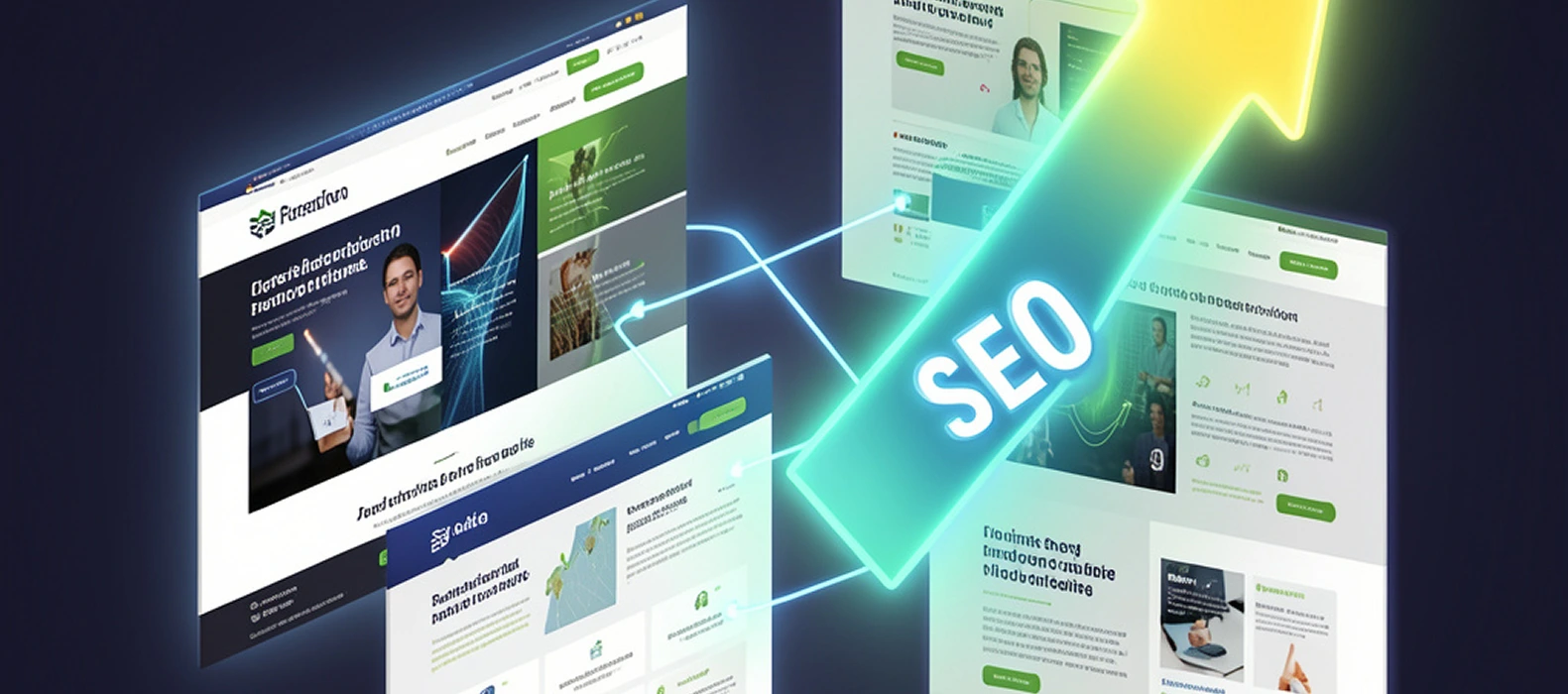
Maintain URL Structure and Redirects
Maintaining your URL structure after a website makeover is one of the most important ways to keep SEO intact. If you must modify your URLs, make sure to use 301 redirects from the old URLs to the new ones. This preserves the link equity of your previous pages while helping search engines understand that your content has migrated permanently. Avoid using 302 redirects, since they are temporary and can harm your SEO.
"A redesign should refresh your brand, not erase the rankings you've already earned."
Optimise On-Page Elements and Site Speed
Ensure all on-page SEO elements are optimised on the redesigned site — keep title tags concise, relevant, and keyword-rich; write compelling meta descriptions that include target keywords; use H1, H2, and H3 tags appropriately; and optimise alt text for images to improve image search rankings and accessibility. Preserve high-quality content and ensure it remains optimised for your target keywords.
Website speed is also a crucial factor for both user experience and SEO. Use tools like Google PageSpeed Insights to test your site's speed and identify areas for improvement — optimising images, leveraging browser caching, and minimising CSS and JavaScript files to enhance load times.
Steps to Protect Your Rankings
Ensure mobile-friendliness
Google prioritises mobile-first indexing, predominantly using the mobile version of your content for indexing and ranking. Use responsive design so your site works well on every device.
Preserve internal linking
Internal links help search engines understand your site's structure and hierarchy. Keep your existing linking structure intact during the redesign, and enhance it carefully without over-optimising.
Update and submit your XML sitemap
Once the redesign is finished, update your sitemap to reflect the new structure and submit it to Google Search Console so new pages get indexed correctly.
Monitor and analyse post-launch
After your new website goes live, closely track user behaviour, traffic, and rankings. Watch for sudden drops and act quickly to fix any issues.
Redesign With Confidence
Redesigning your website is an exciting opportunity to improve its appearance and functionality, but it requires careful planning to avoid losing SEO ranking. By conducting a comprehensive SEO audit, maintaining URL structure, optimising on-page elements, improving site speed, ensuring mobile-friendliness, preserving internal linking, updating your XML sitemap, and monitoring post-launch performance, you can achieve a successful redesign without sacrificing your hard-earned rankings. A well-executed web design project can enhance your online presence and continue to drive traffic and conversions for your business.